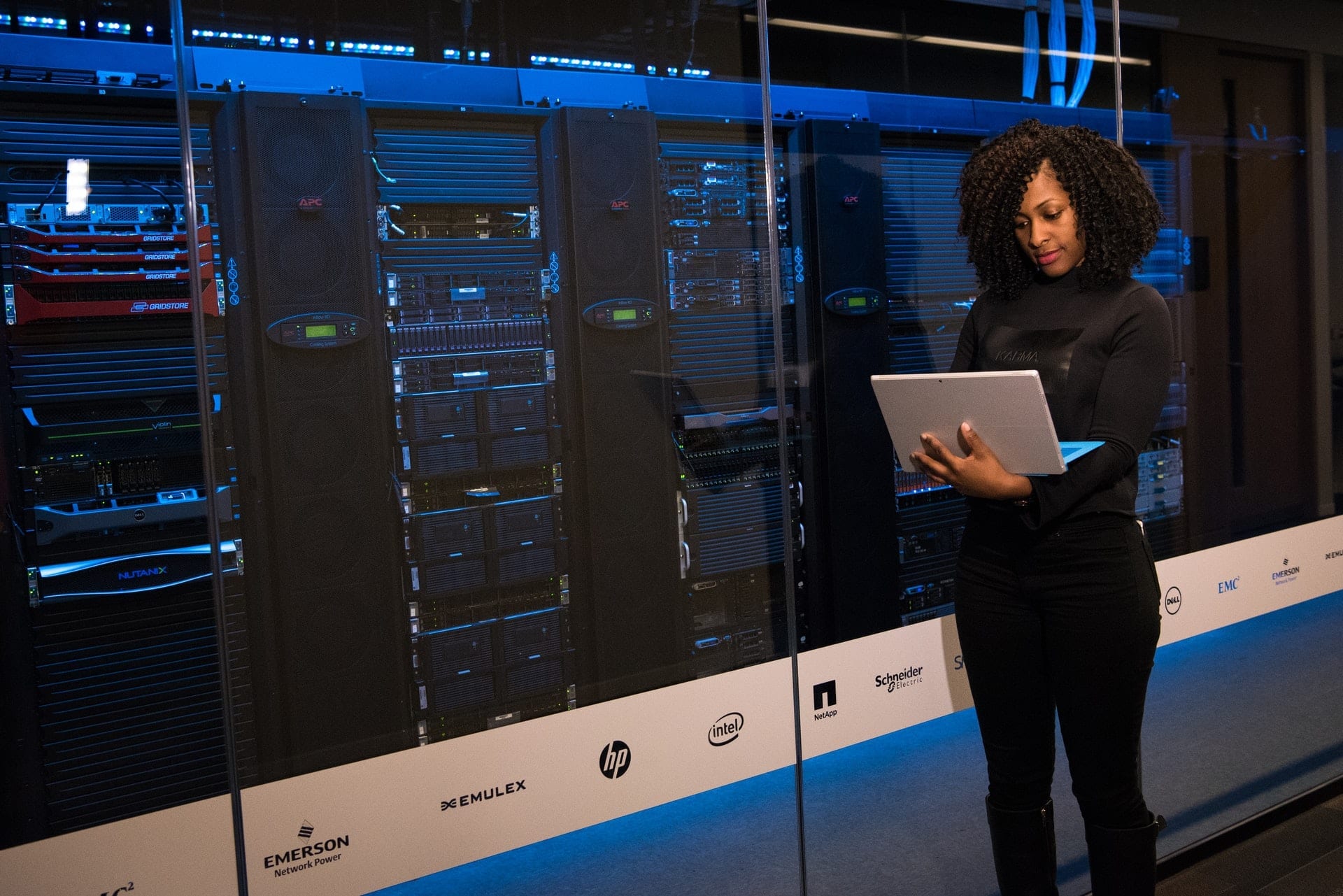
Choosing the right Managed Service Provider (MSP) can significantly impact your business’s efficiency, security, and growth. With the right MSP, you can streamline your IT operations, enhance cybersecurity, and ensure your systems are running smoothly around the clock. However, with so many options available, it can be challenging to determine which MSP is the best fit for your organization. Here are the key factors to consider when selecting an MSP provider.
1. Expertise and Experience
One of the most critical factors to consider is the MSP’s expertise and experience. Look for a provider with a proven track record in your industry and a deep understanding of your specific IT needs. An experienced MSP will be familiar with the challenges your business faces and can offer tailored solutions.
Questions to ask:
How long have you been in business?
Do you have experience working with companies in our industry?
Can you provide case studies or references from clients with similar needs?
2. Range of Services
Different MSPs offer different levels of service. Ensure the provider you choose offers a comprehensive suite of services that align with your business requirements. These services may include network management, cybersecurity, data backup and recovery, cloud services, and more.
Key services to consider:
24/7 monitoring and support
Disaster recovery and business continuity planning
Cloud computing solutions
Cybersecurity measures
Help desk support
3. Scalability
As your business grows, your IT needs will evolve. It’s essential to choose an MSP that can scale their services to match your growth. Whether you’re expanding your team, opening new locations, or launching new products, your MSP should be able to accommodate these changes seamlessly.
Considerations:
Can the MSP handle increased workloads and complexity?
Do they offer flexible pricing models that can adjust to your changing needs?
4. Proactive Approach
A proactive MSP doesn’t just react to problems after they occur; they actively monitor your systems to prevent issues before they arise. Look for providers that use advanced monitoring tools and have a proactive approach to maintenance and support.
Proactive measures include:
Regular system updates and patches
Continuous network monitoring
Predictive analytics to identify potential issues
5. Security Measures
In today’s digital landscape, cybersecurity is more critical than ever. Your MSP should prioritize security and have robust measures in place to protect your sensitive data. This includes firewalls, intrusion detection systems, encryption, and regular security audits.
Security questions to ask:
What security protocols do you have in place?
How do you handle data breaches or cyber-attacks?
Do you offer employee training on cybersecurity best practices?
6. Response Time and Support
Downtime can be costly for any business. Ensure your MSP offers reliable, round-the-clock support with guaranteed response times. Fast and effective support is crucial to minimizing disruption and maintaining productivity.
Key support features:
24/7 help desk availability
Guaranteed response times in Service Level Agreements (SLAs)
Multiple support channels (phone, email, live chat)
7. Customization and Flexibility
Every business is unique, and a one-size-fits-all approach rarely works. Look for an MSP that offers customized solutions tailored to your specific needs. They should be flexible in their approach and willing to adapt their services to fit your business model.
Customization aspects:
Tailored service packages
Flexible contract terms
Ability to integrate with existing systems
8. Reputation and Reviews
Research the MSP’s reputation in the industry. Look for reviews, testimonials, and any awards or recognitions they may have received. A provider with a strong reputation is more likely to deliver high-quality services and customer satisfaction.
Where to look:
Online reviews on platforms like Google, Yelp, and industry-specific forums
Testimonials on the MSP’s website
Industry awards and recognitions
9. Cost and Value
While cost is an important factor, it shouldn’t be the only consideration. Evaluate the value the MSP provides in relation to their pricing. A slightly higher cost might be justified if the provider offers superior service, advanced security measures, and comprehensive support.
Cost considerations:
Are there any hidden fees?
What is included in the pricing plan?
How does the cost compare to the value of services provided?
10. Communication and Transparency
Clear communication and transparency are essential for a successful partnership. Your MSP should provide regular updates, detailed reports, and be transparent about their processes and policies.
Communication tips:
Regular status meetings and reports
Transparent billing and service documentation
Open and honest communication channels
Conclusion
Choosing the right MSP provider is a critical decision that can have a lasting impact on your business. By considering factors such as expertise, range of services, scalability, proactive approach, security measures, response time, customization, reputation, cost, and communication, you can make an informed choice that aligns with your business goals. Take the time to research, ask the right questions, and select an MSP that will be a true partner in your success.
With the right MSP, you can focus on what you do best—running your business—while they handle the complexities of IT management and support.
In today’s fast-paced digital landscape, businesses rely on Managed Service Providers (MSPs) to handle their IT needs efficiently and securely. However, not all MSPs are created equal. The best MSPs differentiate themselves by offering superior service, proactive solutions, and strategic guidance that helps businesses scale. Below are the key characteristics that define an effective and top-tier MSP company.
1. Proactive and Preventative Approach
The best MSPs don’t just react to problems—they anticipate and prevent them. Through continuous monitoring, automated updates, and predictive analytics, a top-tier MSP identifies potential issues before they impact business operations. This proactive stance ensures minimal downtime, reduces risks, and enhances overall IT efficiency.
2. Robust Security and Compliance
Cybersecurity threats are evolving daily, making security a top priority for any effective MSP. The best MSPs offer:
24/7 Security Operations Center (SOC) for threat monitoring and incident response
Threat isolation and remediation to prevent the spread of cyberattacks
Regular security audits and compliance checks to adhere to industry regulations (e.g., HIPAA, GDPR, or SOC 2 compliance)
Employee cybersecurity training to reinforce best practices within the client’s organization
3. White-Glove, Personalized Support
A great MSP provides more than just IT solutions—they act as a trusted partner. Offering white-glove service means:
Dedicated account managers who understand a client’s unique business needs
No outsourced support, ensuring all technicians are in-house, experienced, and responsive
Fast, efficient resolution times with clear communication and transparency
4. Scalable and Flexible IT Solutions
As businesses grow, their IT needs evolve. The best MSPs offer scalable solutions that can adapt to changing demands. Whether a client needs cloud hosting, additional security measures, or expanded network infrastructure, a top-tier MSP provides:
Flexible pricing structures (e.g., per-user or per-device models)
Customizable IT solutions based on specific business needs
Seamless integration with existing systems and third-party software
5. Cloud Expertise and High Availability
Cloud technology is at the heart of modern IT management. A leading MSP offers:
Secure, high-performance cloud hosting solutions with 99.99% uptime
Expertise in cloud-based applications like ERP, CRM, and SaaS platforms
Disaster recovery and business continuity planning to protect against data loss
6. Strong Vendor Partnerships and Industry Expertise
A top-tier MSP isn’t just an IT provider; they are a technology advisor. By partnering with leading software and hardware vendors, they provide clients with cutting-edge solutions tailored to their industry. This includes:
Exclusive relationships with software providers (e.g., Sage, Microsoft, or Cisco)
Deep knowledge of industry-specific IT requirements, especially for fields like construction, real estate, finance, and healthcare
7. Transparent Pricing and No Hidden Fees
Trust is essential in any business relationship, and pricing transparency builds that trust. The best MSPs:
Offer straightforward pricing models with clear deliverables
Avoid hidden fees or unexpected add-ons
Provide detailed service-level agreements (SLAs) outlining response times and service expectations
Conclusion
Choosing the right MSP can make all the difference in a business’s operational success. The best and most effective MSP companies stand out by offering proactive solutions, top-tier security, white-glove support, and scalable IT services that align with their clients’ goals. Whether a company needs cloud hosting, cybersecurity, or full IT management, partnering with an MSP that excels in these areas ensures long-term success and peace of mind.
If you’re looking for a reliable MSP that embodies all these qualities, myCREcloud specializes in tailored IT solutions for businesses in the construction and real estate industries, providing expert support, secure cloud hosting, and seamless IT management. Reach out today to see how we can help elevate your IT strategy.
In today’s fast-paced business environment, communication is at the heart of every successful company. Whether it’s coordinating with your team, reaching out to clients, or streamlining operations, having a reliable and cost-effective phone system is crucial. That’s where NEXTIVA comes in. As our trusted VoIP provider, NEXTIVA offers top-tier voice-over-internet-protocol (VoIP) solutions designed to enhance business communication while keeping costs manageable.
Understanding VoIP: The Future of Business Communication
VoIP, or Voice over Internet Protocol, is a technology that allows businesses to make and receive phone calls over the internet rather than traditional phone lines. This means no more expensive landline bills or outdated hardware. Instead, businesses can leverage high-speed internet connections to enjoy crystal-clear voice calls, video conferencing, and advanced communication features at a fraction of the cost.
Why VoIP is a Cost-Effective Tool for Businesses
Traditional phone systems come with significant costs, including installation fees, maintenance expenses, and high monthly service charges. VoIP eliminates these unnecessary expenses by offering:
Lower Monthly Costs – VoIP services are typically much cheaper than traditional phone lines, with unlimited calling options and flexible pricing plans.
No Expensive Hardware – Unlike traditional PBX systems, VoIP requires minimal hardware investment, reducing upfront costs.
Scalability – Whether you’re a small startup or a growing enterprise, VoIP allows you to scale your phone system up or down as needed without additional infrastructure investments.
Free or Low-Cost Long-Distance Calls – VoIP makes it affordable to communicate with clients and teams worldwide, significantly cutting down international calling costs.
How VoIP Improves Business Workflow
Beyond cost savings, VoIP technology plays a crucial role in streamlining business operations and enhancing productivity. Some key benefits include:
Mobility & Flexibility – VoIP enables employees to take business calls from anywhere using their mobile devices, laptops, or desktop phones, keeping communication seamless across remote and hybrid work environments.
Advanced Call Management Features – Features such as call forwarding, voicemail-to-email transcription, auto-attendants, and conference calling ensure that your business stays organized and professional.
Integration with Business Tools – VoIP systems can integrate with CRM platforms, email services, and other essential business applications, making communication more efficient and productive.
Reliable & Secure Communication – NEXTIVA ensures a high level of reliability, security, and uptime, so your business never misses an important call.
Why We Trust NEXTIVA for VoIP Services
At myCREcloud, we prioritize reliability, security, and cost efficiency when selecting partners for our clients. NEXTIVA stands out as our VoIP provider of choice for several reasons:
Superior Call Quality & Reliability – With NEXTIVA’s VoIP solutions, businesses experience clear and uninterrupted voice communication.
Industry Expertise – NEXTIVA specializes in VoIP services tailored for businesses of all sizes, ensuring that our clients get the best solutions for their needs.
24/7 Customer Support – NEXTIVA offers dedicated support to keep businesses connected at all times.
Seamless Integration with Cloud Solutions – Their VoIP services work seamlessly with our cloud hosting solutions, creating a fully optimized business communication infrastructure.
Upgrade Your Business Communication Today
Switching to VoIP with NEXTIVA is a smart move for any business looking to enhance communication, cut costs, and improve workflow efficiency. If you’re ready to make the transition or want to learn more about how VoIP can benefit your business, contact us today, and we’ll guide you through the process!
Infrastructure as a Service (IaaS) is a method of providing computing, networking, and storage via the Internet. IaaS enables companies to utilize web-based systems, applications and storage without needing to purchase, manage or support the cloud infrastructure. The most popular examples of IaaS platforms include Amazon Web Services (AWS) and Microsoft® Azure®.
Infrastructure as a Service is one of three main categories of cloud computing, along with Software as a Service (SaaS) and Platform as a Service (PaaS). IaaS is the fastest-growing cloud segment. IaaS lets you circumvent the complexity and increased cost of buying and managing physical servers.
What are the benefits of Iaas?
Storage: IaaS offers the processing power to collect and run large data sets significantly larger than the physical hardware budgets of many companies typically allow for.
Disaster Recovery: Natural disasters, fires, theft, or other unexpected events can be avoided by storing backup files or disaster relief plans with IaaS. Keep your business running, even if everything else is down.
High-Performance: Every app used or deployed by a company can be housed in IaaS. When demand grows , processing power can easily be scaled up.
Cost Savings: Reduce infrastructure costs as you no longer hardware for your data centers, eliminate the task of maintaining and replacing equipment, and enjoy 24x7x365 uptime. Pay for what you need, as you need it.
A firewall is a security device—either hardware, software, or a combination of both—that acts as a barrier between a trusted internal network (such as a company’s IT infrastructure) and untrusted external networks (like the internet). It monitors and controls incoming and outgoing traffic based on a set of predetermined security rules.
How Firewalls Work
Firewalls analyze network traffic and decide whether to allow or block data packets based on security policies. They can filter traffic based on:
IP addresses – Blocking or allowing access from specific locations.
Ports and protocols – Controlling which types of communication are permitted (e.g., allowing email traffic but blocking unauthorized remote access).
Application-level filtering – Preventing malware and unauthorized software from communicating over the network.
Why Firewalls Are Essential for Business Security
Prevents Unauthorized Access – Firewalls block hackers and malicious actors from accessing sensitive business data.
Stops Malware and Cyber Threats – By filtering traffic, firewalls help prevent malware, ransomware, and phishing attempts from reaching internal systems.
Ensures Compliance – Many industries require firewalls to meet data protection regulations such as HIPAA, PCI-DSS, or GDPR.
Monitors and Logs Network Activity – Firewalls provide visibility into network traffic, helping IT teams detect and respond to potential security threats.
Controls Employee Access – Firewalls can restrict access to certain websites or applications, reducing the risk of data breaches and improving productivity.
A firewall is a company’s first line of defense in cybersecurity. Without one, businesses are exposed to cyber threats that can lead to data loss, financial damage, and reputational harm. Implementing a strong firewall solution is a crucial step in safeguarding company assets and ensuring secure business operations.
Thirty years of lessons, and why they matter right now.
Almost no one believed in Cloud Computing at first. In the late 1990s, the idea that businesses would hand their data and software to a remote server, managed by someone else, seemed absurd. Critics laughed. Analysts hedged. CIOs said it would never fly.
Then it did. And it changed almost everything.
It also went by a dozen names along the way. On Demand. Utility Computing. Application Service Providers. Alternative Delivery Models. Web Services. Software as a Service. The technology found its footing long before it found its identity. Sound familiar?
We are in a similar moment with AI. The hype is enormous. The skepticism is real. The terminology is all over the place. And nobody quite knows how it will reshape the world, only that it will.
Ben Pring has a front row seat to both eras. He wrote the first analyst notes on Cloud Computing in 1997, produced the first market forecast of the Cloud’s growth potential in 2002, and has spent decades advising both buyers and sellers through the noise. In his recent piece, he draws eleven lessons from the Cloud story that he believes will help leaders navigate what is coming with AI.
Here is what stands out.
The Technology That Wins Is Rarely the One That Arrives First
Cloud Computing was not a sudden invention. It built on decades of mainframe thinking, client-server models, and early internet infrastructure. What changed was the moment when the cost, the connectivity, and the cultural readiness all lined up at once.
AI is the same. The algorithms behind today’s large language models are not new. What is new is the compute power, the data availability, and the interface design that made it accessible to everyone. The lesson: do not mistake the moment of mainstream arrival for the moment of invention. There is always more history than the headlines suggest.
Skepticism Is Not the Same as Being Wrong
Early Cloud skeptics were not fools. Their concerns about security, reliability, and vendor lock-in were legitimate. Many of those concerns took years to resolve. Some are still being resolved today.
The same will be true of AI. People who raise concerns about accuracy, bias, intellectual property, and workforce displacement are not technophobes. They are identifying real problems that the industry will need to solve. The difference between a healthy skeptic and someone who gets left behind is whether they stay engaged with the answers as they develop.
The Names Will Keep Changing. The Direction Will Not.
When Salesforce launched in 1999, it did not call itself a Cloud company. When AWS launched in 2006, the term Cloud was still niche. The category found its name years after the category existed.
Today we argue about whether to call things AI, Generative AI, Large Language Models, or Agentic AI. None of it matters much. The underlying shift, machines taking on cognitive work, is the thing to track. Do not let the branding debates distract you from the substance.
The Platform Wars Are Coming. Pick Carefully.
Cloud did not stay fragmented for long. It consolidated around a small number of dominant players: AWS, Azure, Google Cloud. Everyone else either niched down, got acquired, or disappeared.
The AI landscape will likely follow a similar path. Right now it feels wide open. In five years it will probably not be. Businesses making deep integrations today are placing bets whether they realize it or not. Understanding which platforms are likely to persist is one of the most important strategic questions of the next few years.
The Real Value Is in What Gets Built on Top
Cloud infrastructure was not the destination. It was the foundation. The value came from what companies built once they had access to scalable, affordable computing: Netflix, Uber, Airbnb, Spotify, and thousands of others that would have been impossible in a pre-Cloud world.
AI will work the same way. The models themselves are infrastructure. The interesting question is what becomes possible once that infrastructure is widely available and cheap. The companies that figure that out first will define the next decade.
The Lesson Beneath All the Lessons
Pring’s broader point is one worth sitting with. The Cloud era took about 25 years to fully mature. It was messy, non-linear, and full of false dawns and unexpected turns. The companies and leaders who navigated it best were not the ones who predicted every twist. They were the ones who stayed curious, stayed engaged, and updated their thinking as the evidence changed.
That is the actual skill. Not predicting the future. Staying oriented within it.
The AI era will reward the same qualities. Read the full article for all eleven lessons. It is worth your time.
In the fast-paced world of construction and real estate (CRE), effective communication is essential. From coordinating with contractors and site managers to closing deals with clients, having reliable and scalable communication tools can make or break your operations. That’s where VoIP (Voice over Internet Protocol) phone services come in. For businesses in the CRE sector, VoIP solutions offer flexibility, cost savings, and efficiency that traditional phone systems simply can’t match.
What is VoIP, and How Does it Work?
VoIP technology allows you to make phone calls using an internet connection rather than traditional landlines. By converting voice into digital signals, VoIP enables users to communicate from virtually any internet-connected device, whether it’s a phone, computer, or even a tablet. This makes it an ideal fit for CRE professionals who are constantly on the move between job sites, offices, and client meetings.
Key Benefits of VoIP for CRE Companies
1. Mobility and Flexibility
The nature of the CRE industry often requires employees to be away from the office, whether they’re visiting construction sites, meeting with clients, or touring properties. With VoIP, team members can take their office number with them wherever they go. Calls can be forwarded to mobile devices, ensuring that your team is reachable at all times, without the hassle of juggling multiple numbers.
2. Cost-Effective
Traditional phone systems can be expensive to install and maintain, especially for businesses with multiple office locations or remote teams. VoIP eliminates the need for costly hardware and long-distance charges, allowing you to significantly reduce your communication expenses. In an industry where tight margins are the norm, cutting costs without sacrificing quality is a huge advantage.
3. Scalability
As your business grows, adding new lines and features with traditional phone systems can be a challenge. VoIP services are highly scalable, making it easy to add or remove lines as needed. Whether you’re hiring seasonal workers for a major project or scaling up for a new development, VoIP systems can adapt to your needs without the usual growing pains.
4. Advanced Features
VoIP phone systems come equipped with a variety of features that go beyond simple voice calls. Tools like voicemail-to-email transcription, call recording, conference calling, and automated attendants can streamline your operations. For CRE companies, these features can enhance collaboration across teams, improve customer service, and keep everyone informed, no matter where they’re located.
5. Integration with Other CRE Technologies
VoIP systems can be integrated with CRM (Customer Relationship Management) software, project management tools, and other essential applications used in the CRE industry. This allows for seamless communication and data sharing across platforms, increasing efficiency and ensuring that everyone is on the same page. By combining your phone system with the tech tools you already rely on, you can streamline workflows and avoid costly miscommunications.
Why VoIP is the Future of Communication in CRE
As the CRE industry becomes increasingly technology-driven, having a communication system that is both flexible and scalable is crucial. VoIP phone services offer a modern solution that meets the unique demands of the industry. Whether your team is working on-site, in the office, or from remote locations, VoIP ensures that communication is never a barrier to your success.
For construction and real estate companies, adopting VoIP phone services can transform the way you communicate. From reducing costs to enhancing team collaboration, VoIP delivers a level of efficiency that traditional phone systems can’t. As your business evolves, VoIP provides the scalability and flexibility you need to stay ahead in a competitive industry.
Ready to Upgrade Your Communication System? At MyCreCloud, we specialize in providing tailored VoIP solutions for the CRE industry. Contact us today to learn more about how we can help your business improve its communication and efficiency while saving you money.
In today’s fast-paced business environment, IT challenges can disrupt workflows, impact productivity, and delay critical operations. Whether it’s a software issue, connectivity problem, or a system hiccup, timely support can make all the difference. At myCrecloud, we’ve built our Unlimited Remote Help Desk Support to provide your business with reliable, expert assistance tailored to your needs, ensuring that you never face downtime alone.
What Does Unlimited Remote Help Desk Support Mean for You?
Our Unlimited Remote Help Desk Support goes beyond the typical break-fix model. It’s a proactive, comprehensive service designed to address your IT issues quickly and efficiently. Here’s what sets it apart:
Availability and Accessibility
Our team of experienced, US-based engineers is available from 5:00 AM to 5:00 PM PST, Monday through Friday. We understand the urgency of IT issues, and that’s why we offer multiple ways to reach us. Whether your problem requires immediate attention or is a minor inconvenience, we’ve got you covered:
For urgent matters: Contact us directly by phone to receive immediate assistance.
For non-urgent issues: Send us an email, and our team will respond promptly to help resolve your concerns.
Expert Support from Real People
When you reach out to our Help Desk, you won’t be speaking to an automated system or outsourced team. Instead, you’ll connect with knowledgeable, US-based engineers who understand your unique environment and can provide actionable solutions. We pride ourselves on delivering personalized support, ensuring that every interaction is tailored to your business.
Unlimited Support
With no limits on the number of requests or issues you can bring to us, you can rest easy knowing that help is always available. Whether it’s troubleshooting a recurring problem, resolving an unexpected error, or seeking guidance on best practices, you’ll receive unlimited access to our expert support team.
Benefits of myCreCloud’s Help Desk Support
Reduced Downtime: Our rapid response ensures minimal disruption to your operations.
Improved Productivity: Employees can focus on their work instead of struggling with IT challenges.
Proactive Issue Resolution: We don’t just fix problems; we work to identify root causes and prevent future issues.
Peace of Mind: Knowing that expert help is just a call or email away allows you to focus on growing your business.
Why Choose MyCreCloud?
At MyCreCloud, we know IT support is not one-size-fits-all. Our clients rave about our unmatched availability and personalized support. Whenever they need assistance, they connect directly with our expert, U.S.-based technicians—never outsourced support or frustrating automated systems. This level of reliability and responsiveness is what sets us apart from other providers, ensuring our clients get fast, knowledgeable solutions from real techs who understand their needs.
In today’s fast-paced business environment, IT challenges can disrupt workflows, impact productivity, and delay critical operations. Whether it’s a software issue, connectivity problem, or a system hiccup, timely support can make all the difference. At myCrecloud, we’ve built our Unlimited Remote Help Desk Support to provide your business with reliable, expert assistance tailored to your needs, ensuring that you never face downtime alone.
What Does Unlimited Remote Help Desk Support Mean for You?
Our Unlimited Remote Help Desk Support goes beyond the typical break-fix model. It’s a proactive, comprehensive service designed to address your IT issues quickly and efficiently. Here’s what sets it apart:
Availability and Accessibility
Our team of experienced, US-based engineers is available from 5:00 AM to 5:00 PM PST, Monday through Friday. We understand the urgency of IT issues, and that’s why we offer multiple ways to reach us. Whether your problem requires immediate attention or is a minor inconvenience, we’ve got you covered:
For urgent matters: Contact us directly by phone to receive immediate assistance.
For non-urgent issues: Send us an email, and our team will respond promptly to help resolve your concerns.
Expert Support from Real People
When you reach out to our Help Desk, you won’t be speaking to an automated system or outsourced team. Instead, you’ll connect with knowledgeable, US-based engineers who understand your unique environment and can provide actionable solutions. We pride ourselves on delivering personalized support, ensuring that every interaction is tailored to your business.
Unlimited Support
With no limits on the number of requests or issues you can bring to us, you can rest easy knowing that help is always available. Whether it’s troubleshooting a recurring problem, resolving an unexpected error, or seeking guidance on best practices, you’ll receive unlimited access to our expert support team.
Benefits of MyCreCloud’s Help Desk Support
Reduced Downtime: Our rapid response ensures minimal disruption to your operations.
Improved Productivity: Employees can focus on their work instead of struggling with IT challenges.
Proactive Issue Resolution: We don’t just fix problems; we work to identify root causes and prevent future issues.
Peace of Mind: Knowing that expert help is just a call or email away allows you to focus on growing your business.
Why Choose MyCreCloud?
At MyCreCloud, we know IT support is not one-size-fits-all. We specialize in serving small to medium-sized businesses, particularly in construction and real estate, and understand the unique challenges of these industries. Whether you need assistance with software like Sage 100 Contractor or hardware-related queries, our team has the expertise to help.
Our commitment to 99.99% uptime, white-glove service, and a flawless implementation record sets us apart. And with our Unlimited Remote Help Desk Support, you’ll never feel stranded when IT issues arise.
If you’re new to IT or digital services, you may have heard the term uptime tossed around—but what does it actually mean?
What Is Uptime?
Uptime is a simple way to describe how reliable a digital system, website, server, or service is. It refers to the amount of time that system is up and running without interruptions. It’s usually measured as a percentage. The higher the percentage, the more dependable the service is.
Imagine a website that’s supposed to run 24/7. If it’s working nearly all the time without crashing or going offline, it has high uptime. The goal for most service providers is to keep uptime as close to 100% as possible.
The “Nines” of Uptime
You’ll often hear uptime described in terms of “nines.” This refers to how many nines appear in the uptime percentage, and it’s a common way to rate system performance. Here’s what that looks like:
99.9% uptime (three nines) means about 43 minutes of downtime per month, or around 8 hours and 45 minutes per year.
99.99% uptime (four nines) brings downtime down to around 4 minutes each month, or just under an hour per year.
99.999% uptime (five nines) is incredibly reliable, with only about 26 seconds of downtime each month—or a little over 5 minutes a year.
These numbers help people quickly understand how dependable a service is without needing to dig into detailed logs.
Why Does Uptime Matter?
Uptime is one of the most important ways to measure the reliability of a service. For businesses, every minute of downtime can mean lost revenue, frustrated customers, or disrupted workflows. That’s why many companies set uptime as a key Service Level Objective (SLO)—a goal they promise to meet to keep users satisfied.
Monitoring uptime also helps IT teams spot early signs of trouble. A sudden drop in uptime could mean a larger problem is developing behind the scenes.
Uptime is one of the simplest and most important ways to understand how reliable a system or service is. Whether you’re managing a website, server, or cloud platform, keeping uptime high means keeping users happy and operations running smoothly. The better your uptime, the more confidence your users will have that your service will be there when they need it.